
FIFO 2026 – The Oceania Impact Pitch for Indignation is back. It is an unmissable event for aspiring and experienced filmmakers who want to see their film come to life one day.
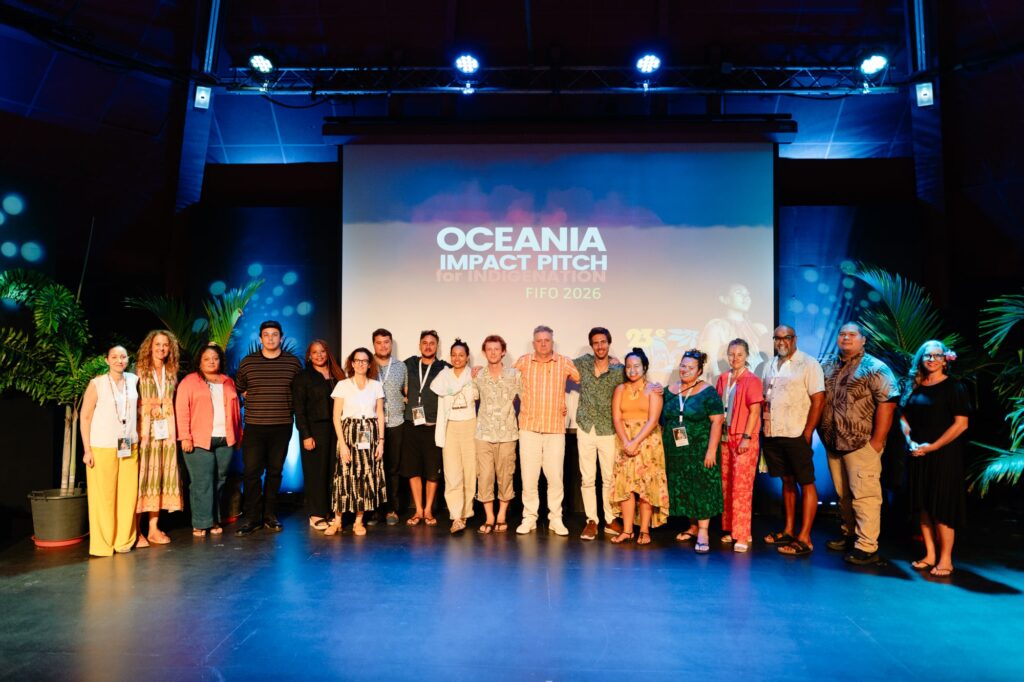
A film is born from a long process. The first step is to have a solid pitch. It’s the argument, the dramatic thread, or the hook used to present the project and sell a script. The pitch must therefore be a short and effective hook for the project, in order to encourage the producer to offer an appointment to the author or to quickly sign an option to block the rights of the project.
The FIFO is an opportunity and allows project promoters to consolidate their pitches. Launched in 2024, in collaboration with the Impact Social Club, the Oceania Impact Pitch for Indigenation returns biennially as a highlight of the FIFO’s professional programming. It is a moment of encounter, training and presentation for oceanian project promoters, broadcasters and producers to meet and bring to life original, daring and
engaged.
The documentary project producers work tirelessly to prepare their pitch as best they can and present it to a large jury composed of professionals and decision-makers from Oceania and Europe (festivals, producers, financiers, broadcasters, distributors).
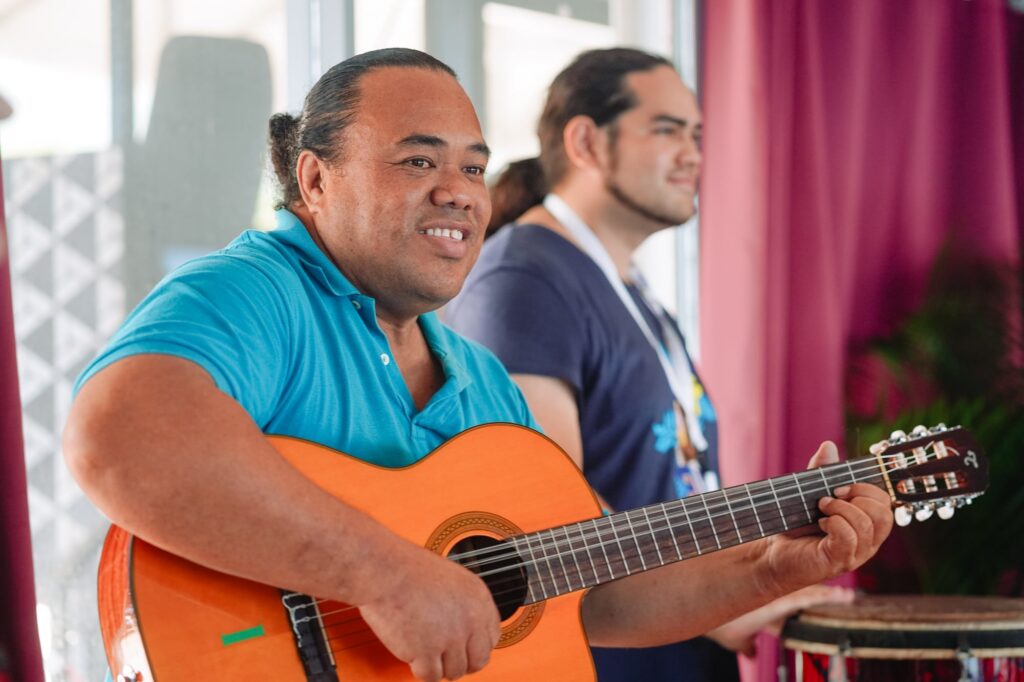
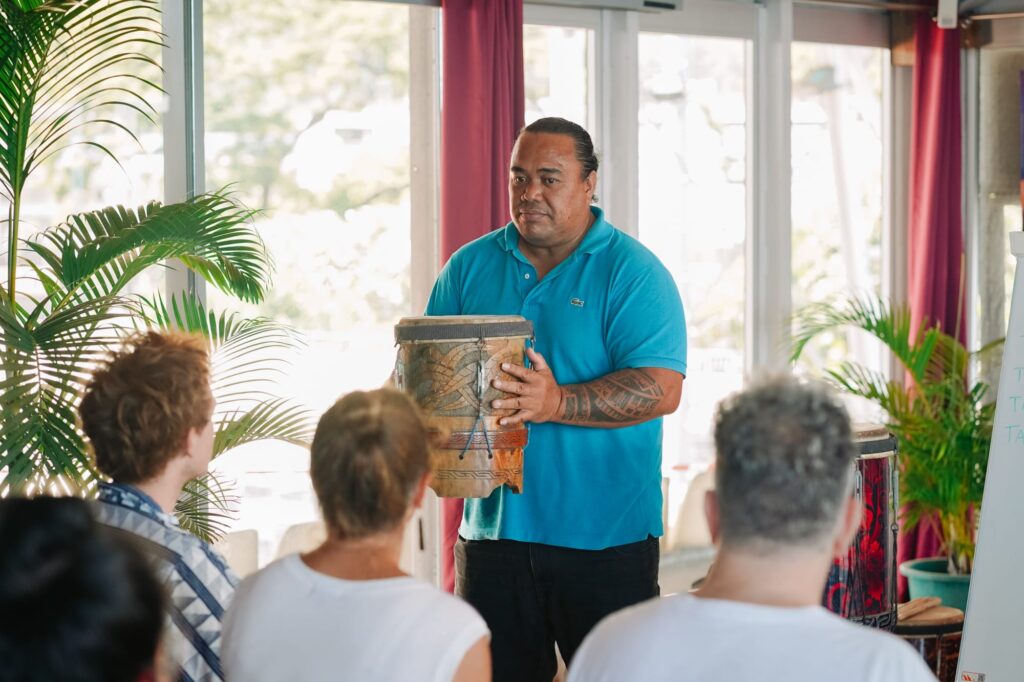
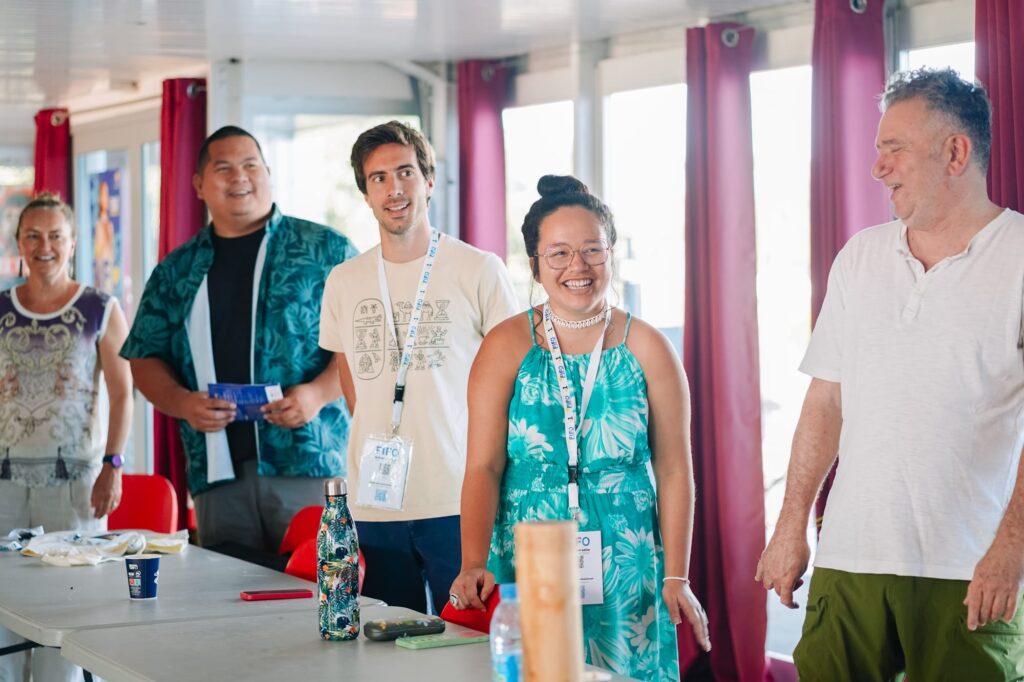
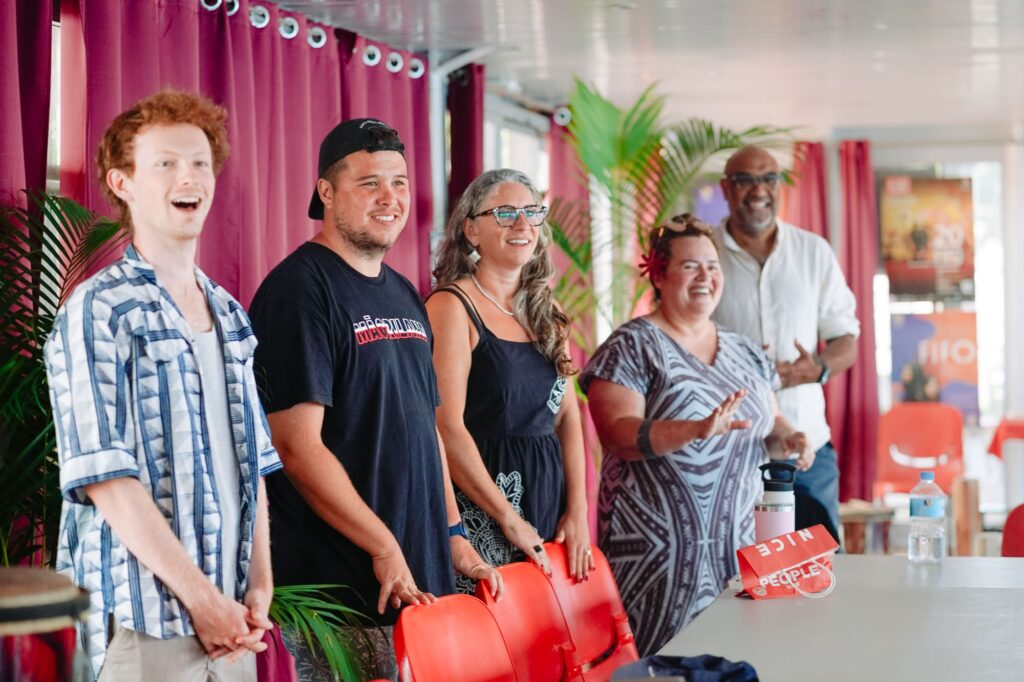
On Monday, to prepare, the project presenters attended a «pitch and impact» masterclass. This masterclass allows filmmakers to acquire the essential tools to build impactful pitch presentations. The idea is to learn how to clearly present the story of their documentary, showcase their artistic vision and potential impact. This allows the presenters to discover how to inspire confidence, spark curiosity, and convince the right partners to join their film project. Furthermore, the project presenters had the opportunity to benefit from individual coaching sessions.
7 minutes to convince
After a week of workshops, the pitchers will present their project to the jury of the Oceania Impact Pitch. They will have 7 minutes (including a trailer) to convince, followed by 7 minutes of exchanges with the jury and the audience.
All the selected projects are in line with the values of FIFO and contribute to the preservation and valorization of the indigenous cultures of Oceania.
Khadidja Benouataf, president of the Impact Social Club and trainer for the Oceania impact pitch for indignation explains: «This year seven film projects were selected, but in the end there are six present. They come from all over Oceania. From the very first days of the training sessions, we saw the projects evolve.».
Bringing an engaged project to life, reaching an audience, supporting strong messages or telling a «good» story takes time. Samy Cunéo, one of the pitchers, explains: «These workshops help us. That’s also the strength of FIFO. In Tahiti, we are isolated for most of the year and we don’t often have feedback from professionals in the audiovisual industry.».
This afternoon from 4pm to 6pm, the project presenters will parade in front of a large jury and the public at the Petit Théâtre of the Maison de la Culture to present their pitch. The best project, in addition to gaining visibility, will be rewarded with a prize and 200,000 CFP. Everyone hopes to win the Graal and present their film very soon at the Festival.
Saphyr Morhain, pitcher for: «In their eyes, Faaite»
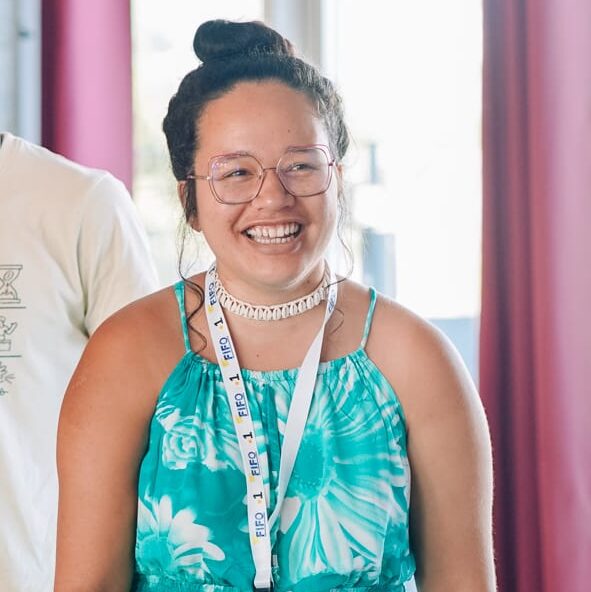
Why this project and what motivated you to participate in the best pitch competition? «I am originally from Tahiti. My pitch addresses a subject that concerns Polynesia and is more intimately related to the Tuamotu archipelago. I think my film proposal «In Their Eyes, Faaite» is an important topic. It talks about resilience and forgiveness.»
Participating in Fifo and pitching its impact is an asset for your project? Absolutely. It allows me to develop it better. To refine it even more. And to see angles that I might not have seen before, so it really helps me. Moreover, it’s important to meet professionals in the audiovisual sector. As a film student, you don’t often have the opportunity to meet so many important actors. This really enhances the project.«
Do you hope to win this competition?
«Yes, because it will open up many doors for us. And it would give us plenty of opportunities. The goal, of course, is to present it to FIFO. We would like to show our film to the Polynesians and have them see our work.»
In their eyes, Faaite
Synopsis – In 1987, on the atoll of Faaite, a collective psychosis led to the ’case of the wells”. Forty years later, the author’s parents, Christian Morhain and Josette Pohue, witnesses and residents of the time, return to the atoll to meet the families and tell how they lived through this tragedy, between memory, forgiveness and resilience.
Samy Cunéo, pitcher for: «We were king»
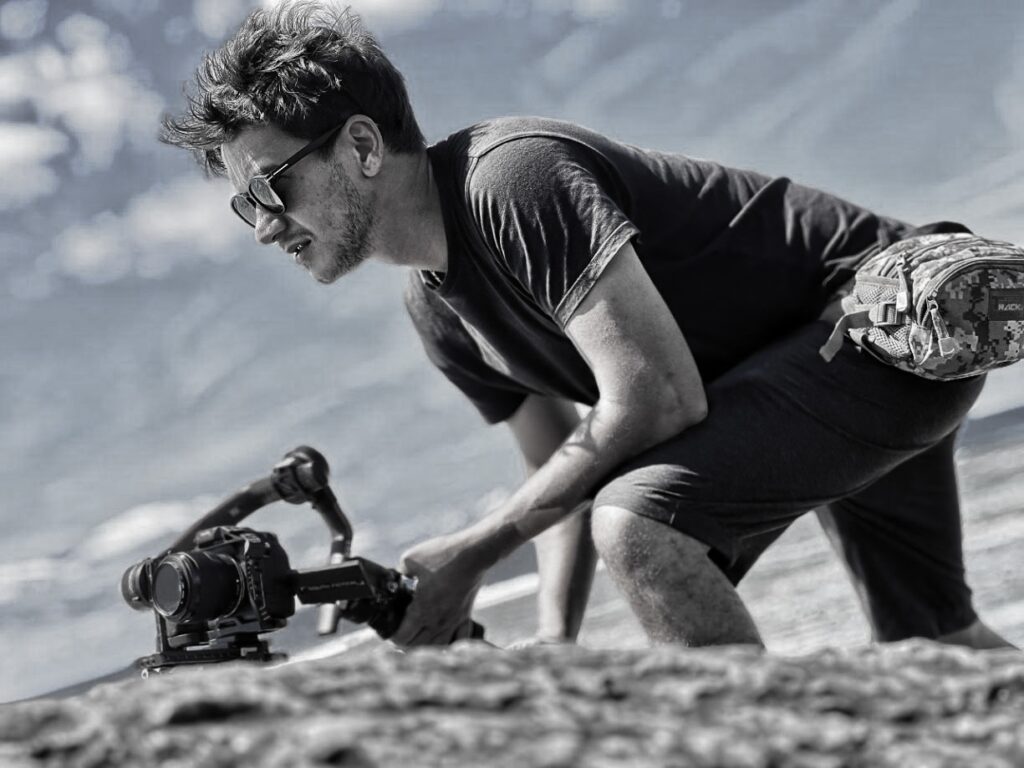
What prompted you to sign up for the Oceania Lab and participate in the best pitch competition?
Basically, I tend to stay behind the camera or at my editing table. I have a hard time meeting other creators. In previous years, I was present at the FIFO, but this year’s novelty is that I decided, thanks to the advice of Laura Théron (general delegate of the FIFO – Ndlr), to present my project. The Oceania Pitch is really inspiring and educational. We learn a lot of things.«
All week, you have workshops to prepare you for the big day—that’s pretty much the pitch before the grand jury; how do you prepare yourself? During the week, we realized that some like those from Fiji were pitched across the Pacific. For my part, this is my first time. I have a lot of trouble speaking in public. Therefore, I prepared in writing based on my script and how I was going to pitch it. Once here, through the workshops, from the very first days, I realized that there were many things that needed to change. We are in an intense situation of constant changes to our pitches. We work in a three-person team, I am accompanied by Temana Sengues, the producer and author of the project, and Esther Cunéo, my sister who is the narrator and also a character in the film. I was supposed to pitch alone, but seeing the others, we decided to pitch in three. These workshops are helping us. That’s also the strength of FIFO. In Tahiti, we are isolated for most of the year and we are not often given feedback from audiovisual professionals. That’s also what’s interesting about the Oceania pitch: being able to meet the professionals and talk to them about our project.«
We were kings
Synopsis – For generations, a family from the island of Rurutu has carried the weight of a shame inherited from the colonial era: that of an ancestor who fell into disgrace, exiled, and then devoured by cannibals. Defying this stigma, Silifu, an elderly Polynesian woman, embarks on a thirty-year quest across the Pacific.
By combing through archives, confronting oral traditions, and questioning the discourses of her contemporaries and experts, she seeks to restore the erased identity of her ancestor. Her journey reveals not only a forgotten royal lineage, but also the profound power of questioning narrative inheritances, thereby posing the fundamental question: who actually holds the pen that writes history?
Khadidja Benouataf, president of the Impact Social Club and mentor for the Oceania Impact Pitch for
Outrage: «Pitcher, it's about convincing»
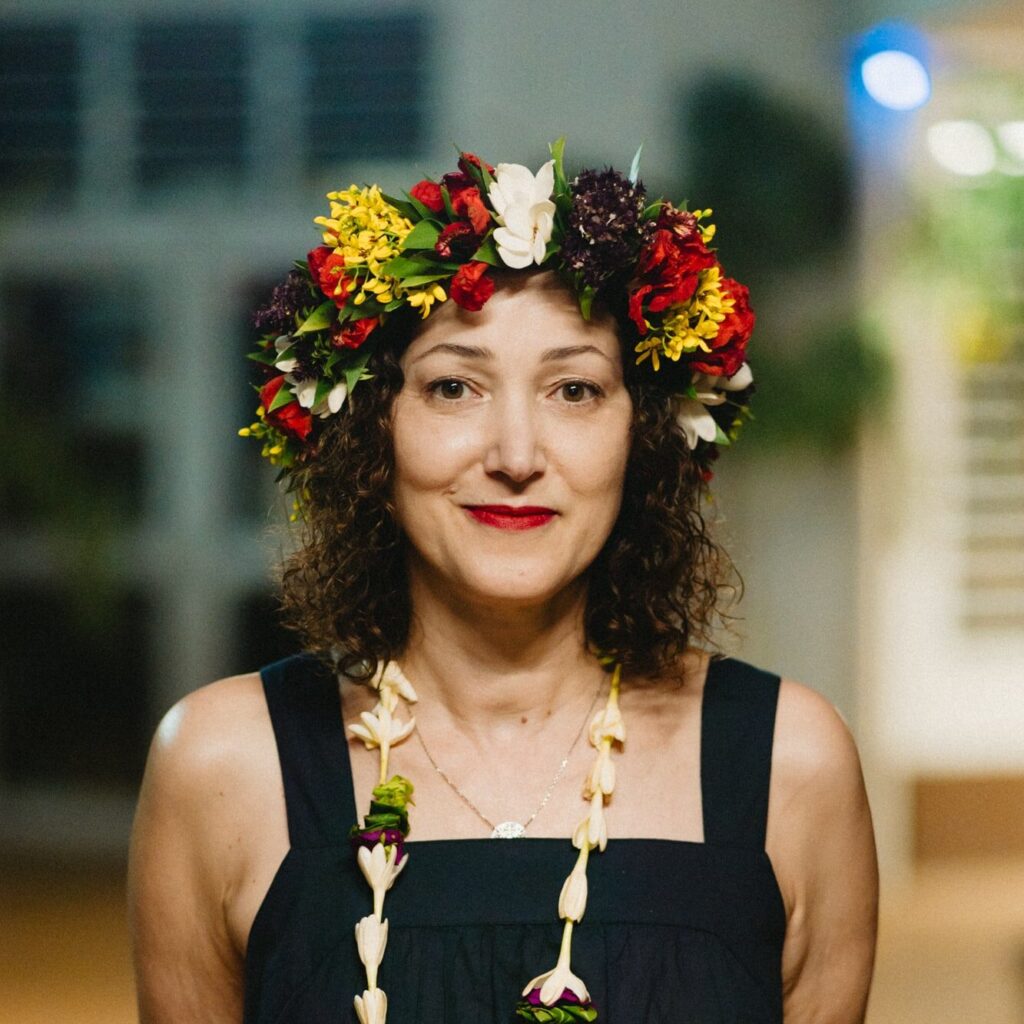
Could you introduce yourself? «Five years ago, I created the first impact film association called the Impact Social Club and we created it with the first French impact producers. All of this was for the French-speaking impact cinema. All the resources of impact are English-language, mostly.»
Throughout the week, workshops are planned for the pitchers; how does it work?
«It's a lab, a multi-day workshop. We teach them pitching. This year, there are six films to pitch that come from all over Oceania; that's great for diversity. There are projects from Fiji, Guam and the Mariannes Islands, Cook Islands, Tahiti... We teach them the pitch, we also teach them the strategies for impact.»
How does it work to participate? «You have to apply. And everyone who applies wants their film to go as far as possible. This is not just entertainment; it’s about talking about a subject that makes things happen.»
What is a good pitch? A good pitch is one that convinces professionals, whether they are broadcasters, distributors, producers… A good pitch is a good story and telling it by the right person. To pitch is to convince. It is the first step in the professional life of a film.«
Following your workshops, have you seen any changes in the pitching skills of the participants? Absolutely. The way they’re going to talk about their project is different. There are some who are pitching for the first time in their lives, so they have to integrate a lot of things in a very short time. We did some tests and they all pitched for the first time with me. They all changed things after that first pitch, because you can always improve your pitching. That’s the goal of this lab.«
Teri Calder, Executive Producer, Documentaries – Impact and Partnerships, specialist for ABC Australia and member of the jury: «What matters is having messages that carry»
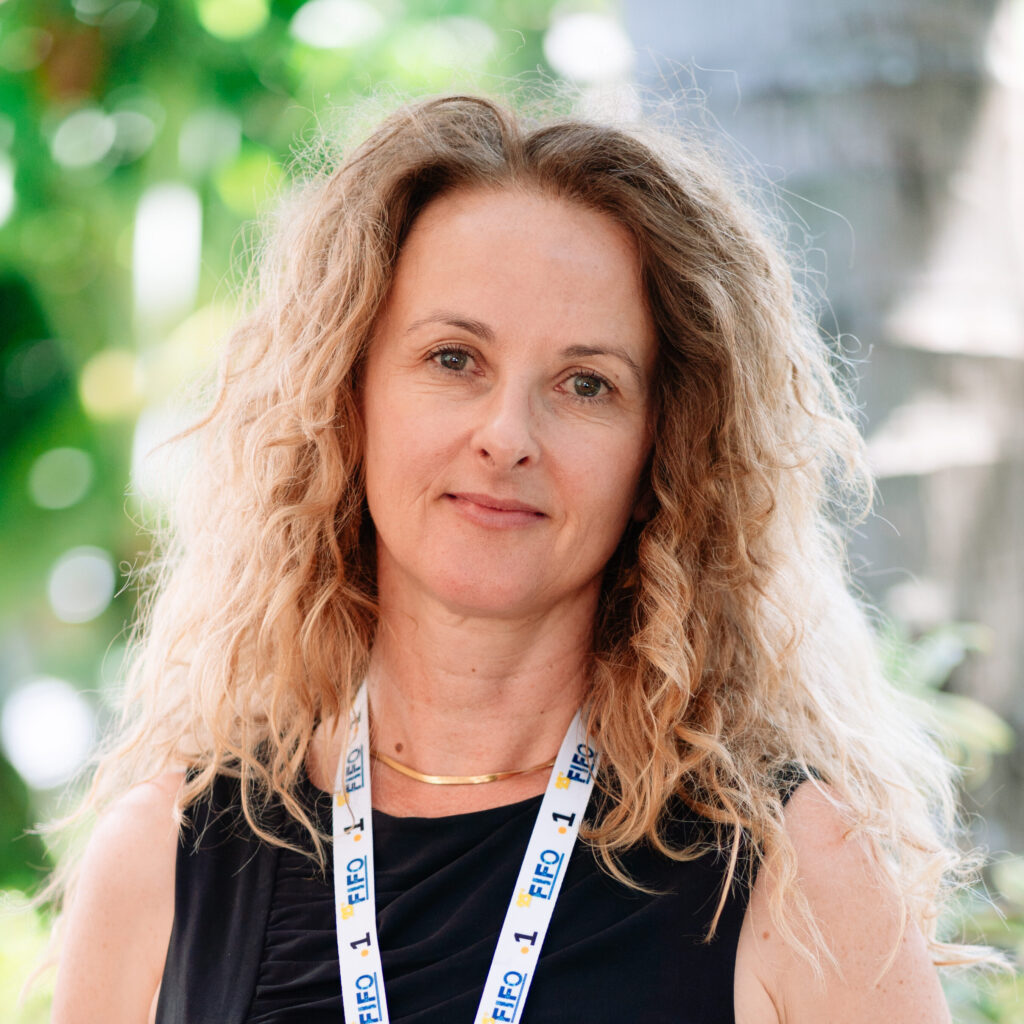
As a member of the jury, what types of projects do you most often encounter? « I haven’t seen the pitches that are being presented at FIFO this year. But I can tell you about the pitches that we have in Australia. I like working on projects that have an impact on communities, on long-term projects. The best pitches have an impact on people’s lives. Most of the time, these are social projects, environmental projects… We really want the projects that are proposed to have a real impact and to have deep subjects. We have received interesting projects on mental health, for example, and on health in general. What is important is having messages that carry weight, that speak, and above all that they speak to communities rather than to themselves. The projects must be able to address the communities to which these films are addressed. The communities must not just be subjects of study, but really be an integral part of the film. »
What are your evaluation criteria for choosing the best pitch? The power of storytelling, of history, is very important and how it can resonate with everyone. The way films are told is also important. It must of course always include the communities. The communities must be actors in the films. The approach strategy is also important to reach the audience. Films should not be treated in a general way; there must be a targeted approach.«
Are there any «red flags» that cause you to drop out of a pitch presentation?
« It’s when you treat a subject without consulting the people whose voices the project speaks for. Not including the communities whose voices are being heard is a «red flag», directly.»
Any advice for pitchers? « Once again, I expect a good story; I want to know who it is addressed to, that is, to what audience. We need to be able to feel things. A good pitch is a film that you want to watch. We need to think about the impact of the project on everything. »
Jenny Hunter – FIFO TAHITI
Vaikehu Shan – FIFO TAHITI
 French
  English