
FIFO 2026 – Of the 44 films scheduled this year, ten documentaries have been selected for competition and will be judged by the jury and the public. Among the films is a documentary by Kimberlee Bassford, «Before the Moon Falls». A powerful film. Interview with the director.
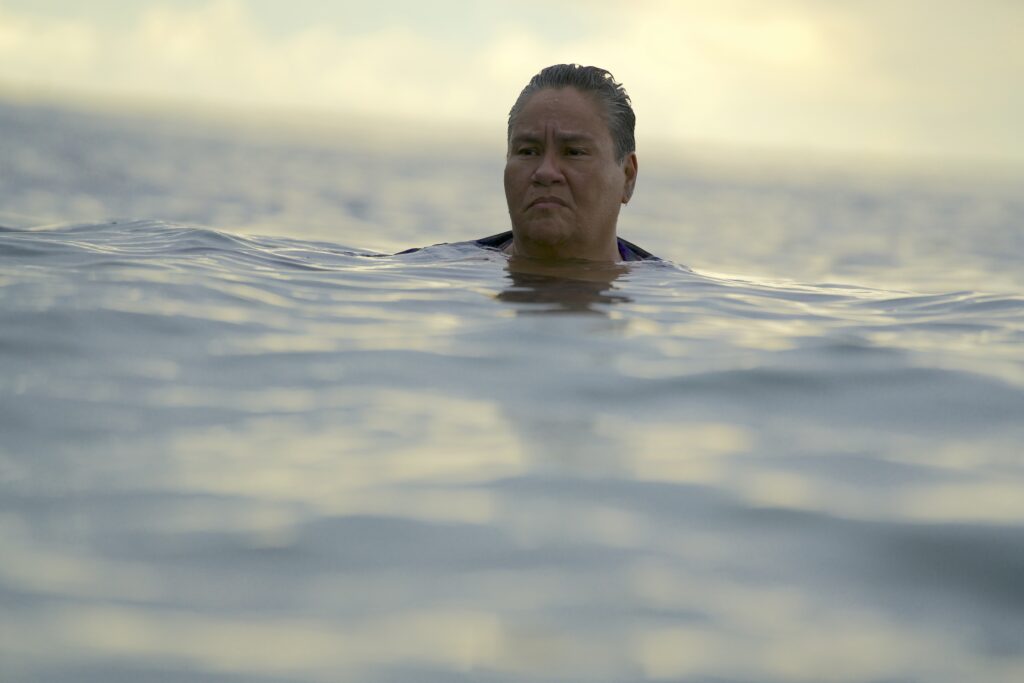
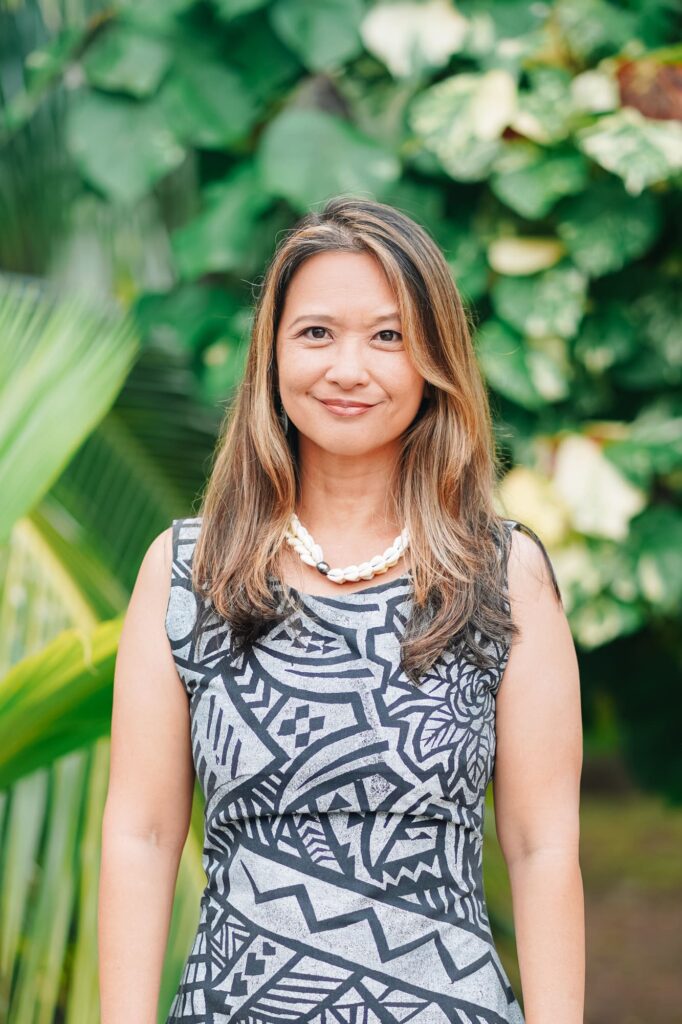
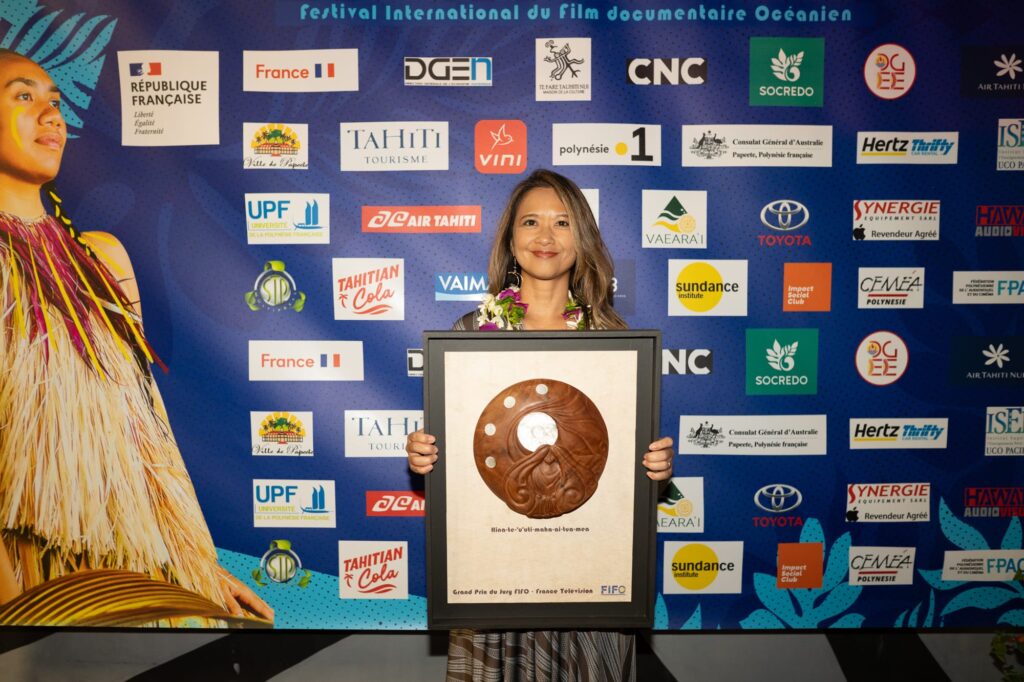
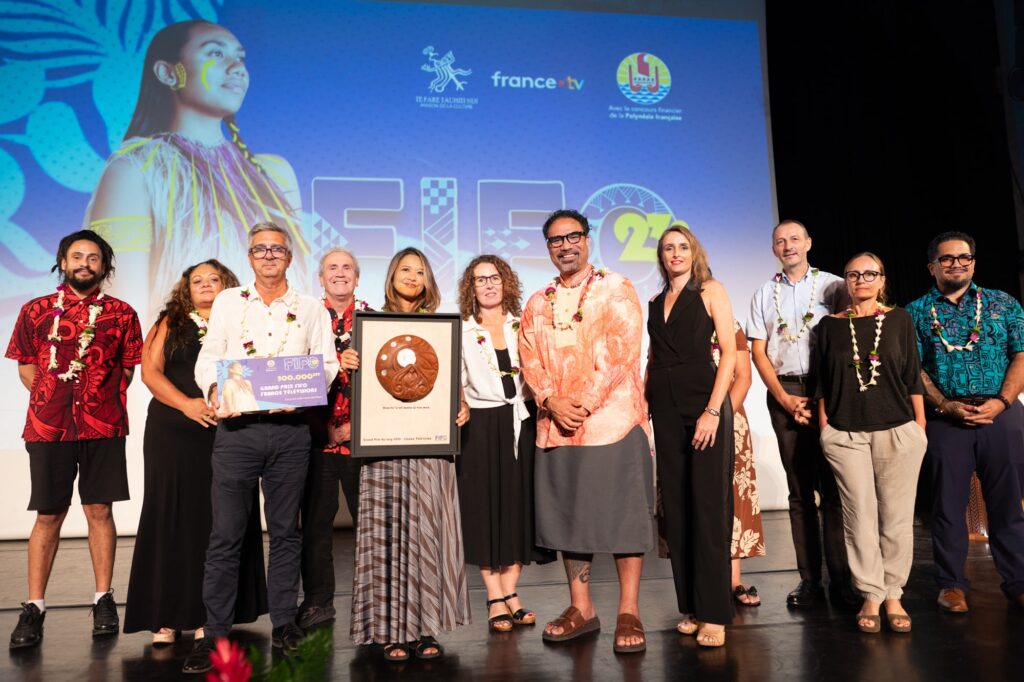
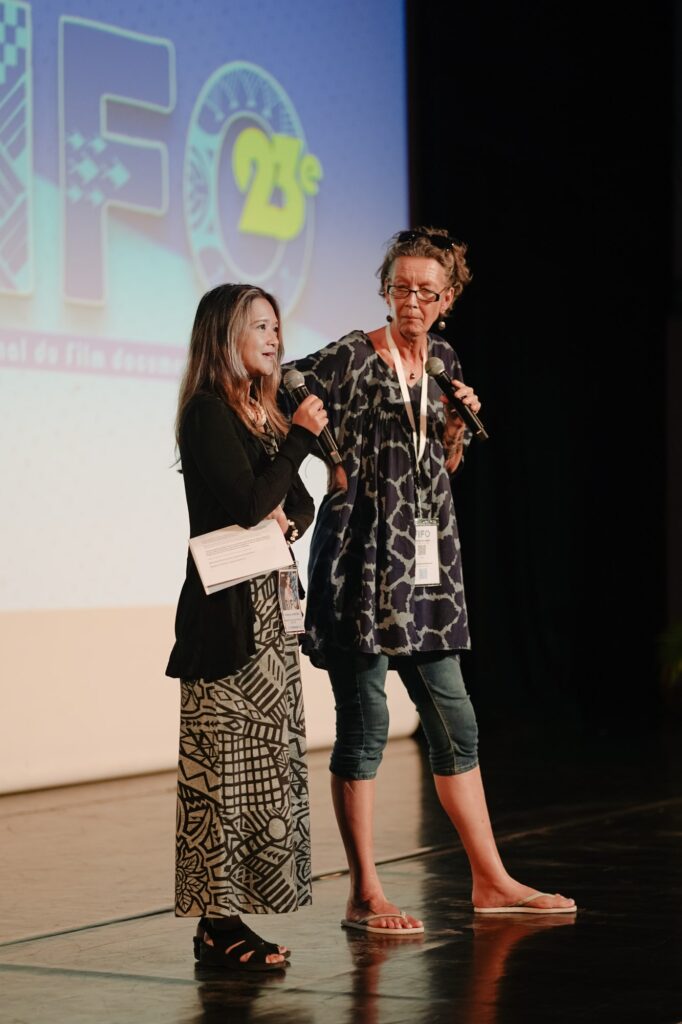
When you began filming Before the Moon Falls, did you know that Sia Figiel suffered from mental health disorders?
“No, not at all at first. We discovered it several years after filming began. Initially, it was mainly a film focused on her work, on the artist she was. We knew about her physical health issues, such as being overweight and having diabetes, but we knew nothing about her mental health.”
And that is also why things turned tragic, it was related to diabetes?
“Yes, exactly. It was a conversation with Caroline about diabetes that upset her and drove her to commit the irreversible.”
The film was intended as an artistic project, but it took another direction when you learned about her mental health issues?
«Absolutely. When she shared her diagnosis with us, we knew the film would partly focus on that.
What was your relationship with Sia like? In the film, we sense that you were very close and caring towards her.
“I come from a journalism background, and I had to remain objective. I needed to keep some distance between us in order to stay professional. At first, I really played the role of filmmaker, interviewing the interviewee. But the more I learned about her and her struggles, the closer we became. At that point, the direction of the film changed, with Sia’s agreement. From then on, we exchanged much more. And one event brought us even closer: when she attempted suicide in the United States. At that moment, I decided to bring her to Hawai‘i. In addition to being the filmmaker, I became more concerned for her. I truly wanted to help her, but I also wanted to maintain enough distance to remain objective. In the end, it is a complicated relationship to describe.”
We hear many private exchanges in the film, and we hear your concern. Did you feel guilt in the end, when she went to prison for murder?
“I thought a lot after Sia’s performance. I took a few psychology courses when I was at university, even though I am not an expert. I never detected anything in Sia, and I never felt in danger in her presence. I worried a lot that she might harm herself, but I never imagined she could harm another person.
After what she did, I spoke with psychoanalysts and psychologists, who told me that sometimes mental illnesses can deteriorate very quickly. Sometimes it can really be like night and day. Although I filmed a lot with Sia, she had her own mindset, her own personality. I also think our perception of the world is such that we are not educated enough to understand these illnesses in all their complexity.
I cannot say that I feel no guilt, but I sometimes wonder whether I could have changed things. Unfortunately, these are things that can happen when someone suffers from mental illness.”
Did Sia see the film?
“She saw the first version of the film before the murder happened and before she went to prison. But she did not see the ending. After that, she was no longer able to take part in the making of the film.”
We could feel your sensitivity to her work, her books, her writing, while also sensing your horror at the fact that she could commit murder. Today, how do you feel about what she is accused of? And was it difficult to finish your film?
“The purpose of the film was truly to show the compassion one can have for Sia. But there are many factors to take into account. When the murder happened, I didn’t want to turn it into some kind of true-crime documentary. So I stayed focused on our original idea.
I also have compassion for the victim and for the victim’s family. I did not want to excuse Sia’s actions, but I felt I had to continue the film. It should be understood that this deeply shook communities in Samoa. We had to take all of that into account. We tried to reconcile everything to arrive at the result we have today.”
Sia died in prison two weeks ago. Do you now feel particularly concerned by the issue of mental health?
“I have always felt concerned by this issue. Everything that happened saddens me. I think mental illnesses are not well understood or taken seriously enough. The film does not show the full complexity of the illness. Nevertheless, I think the film can be a good starting point for reflection on the subject. In our society, mental illnesses are stigmatized.”
Your film addresses several heavy subjects, including physical and sexual violence, suicide, abandonment, mental illness, murder, prison… What do you ultimately want people to take away from it?
“There are indeed many difficult subjects addressed, but I think they are all connected. I really would like people to understand the complexity of mental illness. I don’t want people to speak simply about someone with bipolar disorder, but about someone who carried trauma throughout her life and grew up in difficult social conditions. The illness simply wrapped itself around all of that. Human beings are complicated. I think this could happen even if one element of what Sia experienced were missing.
I would just like to add that I made this film also as a message of hope for people. We must not fall into determinism and say that it was inevitable. I would like people to understand that with treatment, follow-up, and support, things could have ended differently. We must take care of one another. That is also the role of communities. If Sia did not ask for help, it was because she felt shame toward her community.”
Do you have any final words to add?
“As some of you may know, Sia died two weeks ago in prison. The screening of the film at FIFO is therefore a particularly emotional moment to reflect on her life and on the lessons Sia leaves us.
It is not easy. How do we grasp the complexity of a person whose light both illuminates and burns in equal measure? I do not have the answer, but I hope this film will help deepen your reflection.”
Sia Figiel, born in Matautu Tai, Samoa, in 1967, was a contemporary Samoan novelist, poet, and painter. She wrote in English.
Sia Figiel’s literary work was influenced by the traditional songs and poetry she learned while growing up. She was educated in Samoa, then in New Zealand and the United States, and earned a master’s degree from Whitworth University. Figiel said she wanted to present Samoan culture “from a female point of view.” According to the New Zealand Herald, her novel Where We Once Belonged describes “a patriarchal society marked by deep gender disparities, violence sanctioned by the family, and an individual identity still dominated by the community.” In the novel, the central female character, Alofa, seeks to enjoy life with her friends but must confront the traditional values of Samoan society. Sia Figiel won the Polynesian Literary Competition for her poetry in 1994 and the Commonwealth Writers’ Prize for Best First Book, Southeast Asia and South Pacific region, for Where We Once Belonged in 1997. She died on January 26 in Tanumalala Prison in Samoa. She had been in detention since 2024 for the alleged murder of Professor Caroline Sinavaiana-Gabbard.
(Source: Wikipedia)
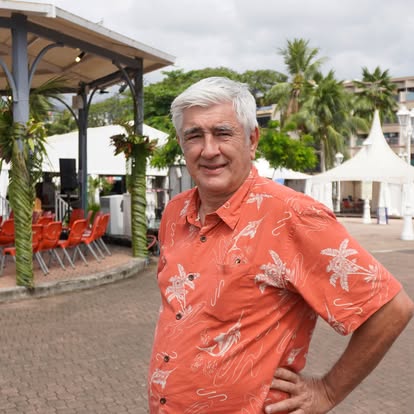
Christian Robert, Publisher at Au Vent des Îles: “An Immense Oceanian Writer”
How would you describe Sia Figiel?
“It’s not easy. I would say she was an immense Oceanic writer. She was a woman torn apart from within. She was an artist who tried to survive in a world that did not welcome her very well. She was also excessive in many areas, but Sia was also friendship, joy, laughter: although unfortunately, she also had darker sides.”
How would you describe her work?
“The books she published are very powerful novels. They are the voice of a woman who had a complicated, violent childhood; a woman who, like Chantal Spitz in Polynesia, spoke out in a world very dominated by men. She had the incredible courage to say things that shocked people. These are very raw texts. I’m thinking of Free Love; she did not hesitate to speak about things that are taboo. If I had to describe her, I would say she was a breaker of taboos.”
Photo credits: Read in Polynesia
When you learned that she was in prison for allegedly murdering her friend, how did you feel?
“I was extremely saddened. I was saddened for Caroline. I was saddened because I knew the strong bond that united them. Caroline Sinavaiana-Gabbard was like a mentor to Sia. We were all extremely saddened by what she did. We were also saddened when we learned of her death.”
Personally, I saw Sia in situations where she could lose her temper. Later on, I read everything that could be read about her, but Sia was deeply wounded from within.”
What did you think of the documentary Before the Moon Falls? “It is extremely well made. It moved me deeply, not because Sia and I had crossed paths for 20 years. I felt great sadness for Caroline and her loved ones, and for Sia, who was a singular figure, as the film shows. But she committed a crime, and we cannot excuse that. The documentary made it possible to see that this person suffered enormously and had a mental health problem.”
Vaikehu Shan – FIFO Tahiti
Jenny Hunter – FIFO Tahiti
 French
 English