
Suliane Favennec and Denis Pinson are the directors of the documentary “Fenua Vice”, screened at FIFO in the “Out of Competition” category. After collaborating on a first film presented at the Festival in 2023, “The ”forgotten ones of the atom”, they return to shine a light on the devastation caused by ice.
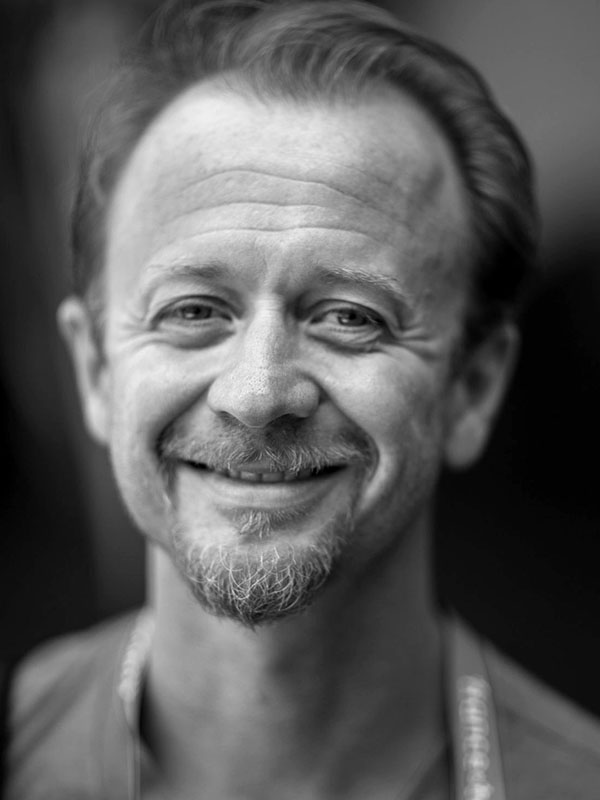
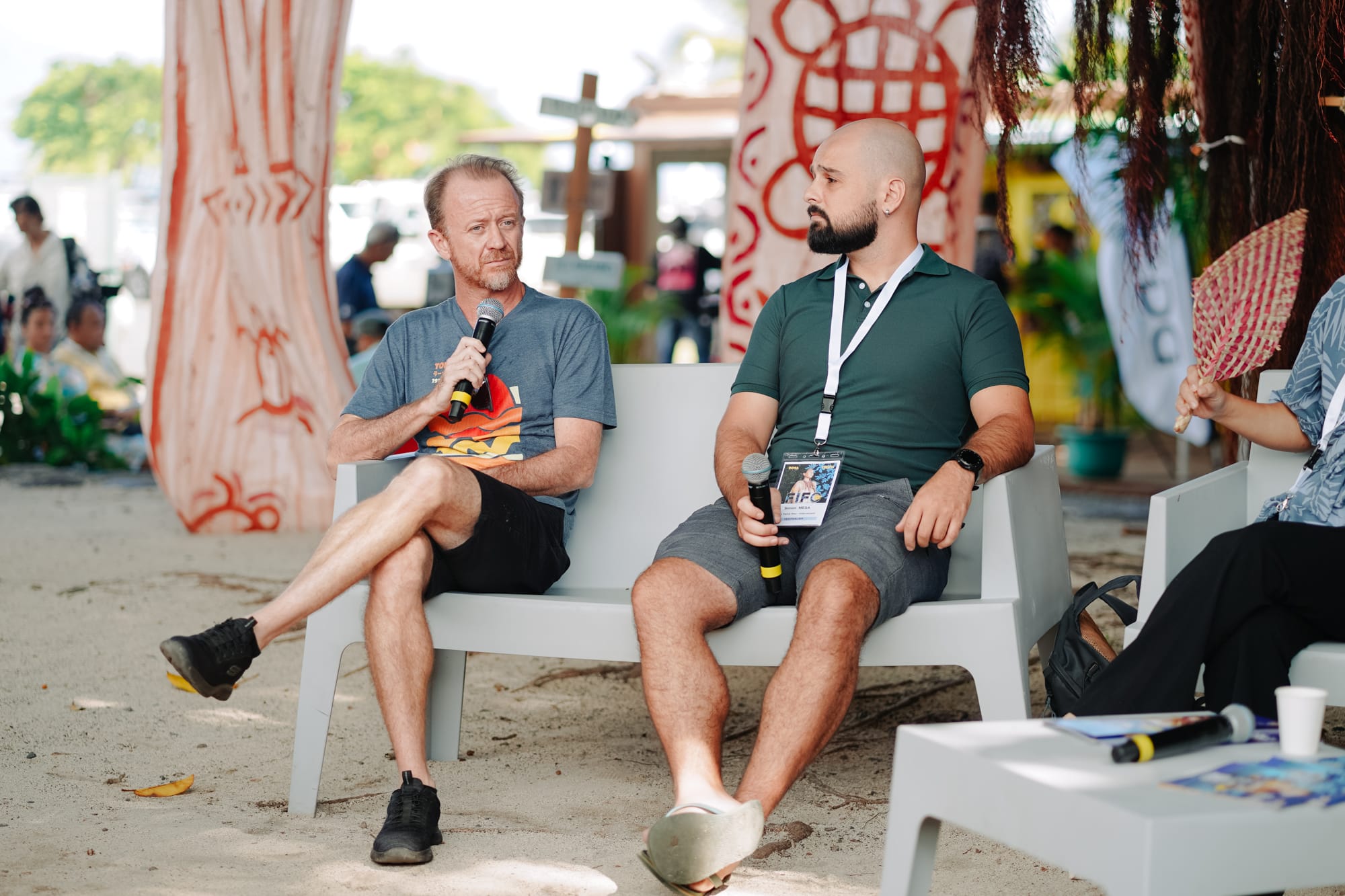
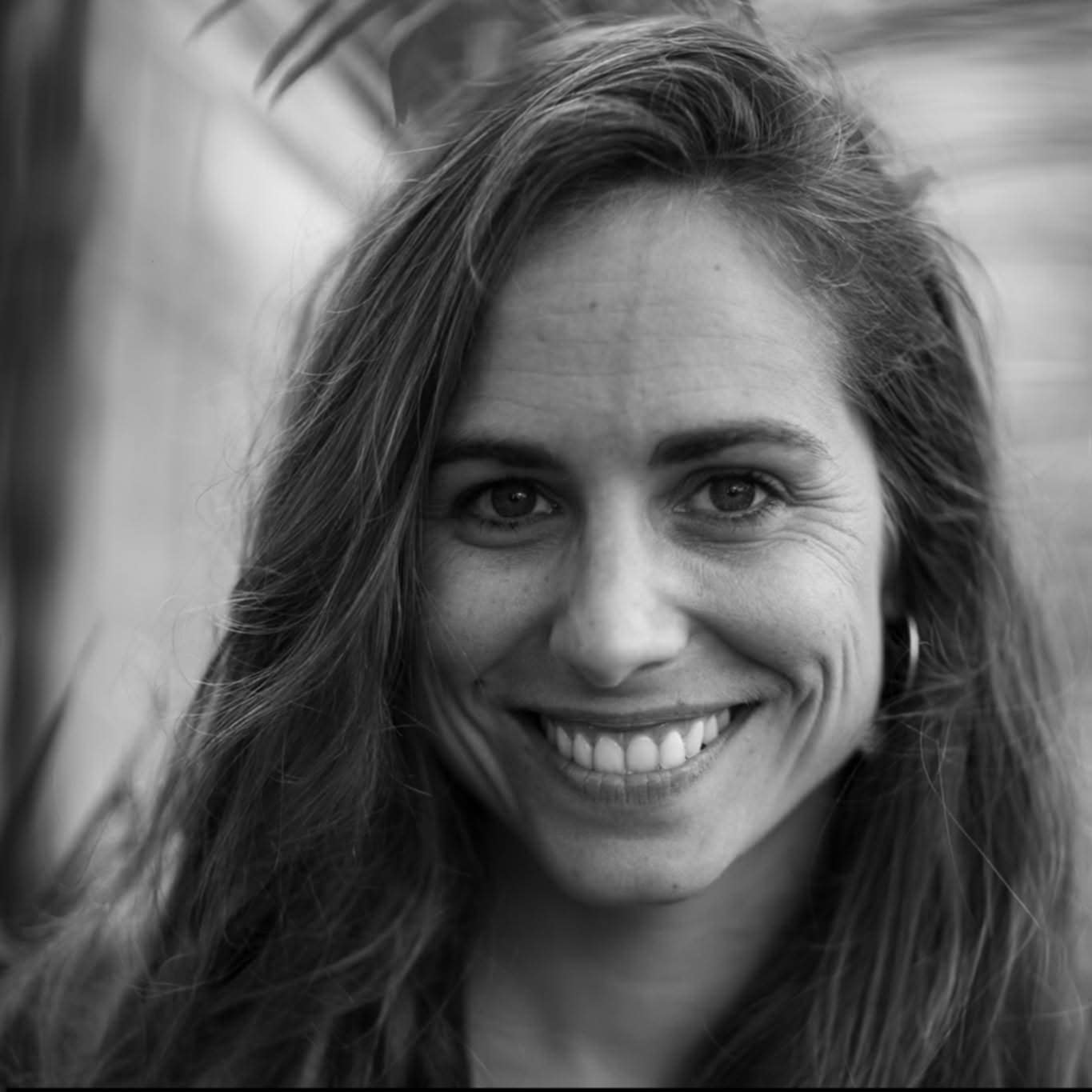
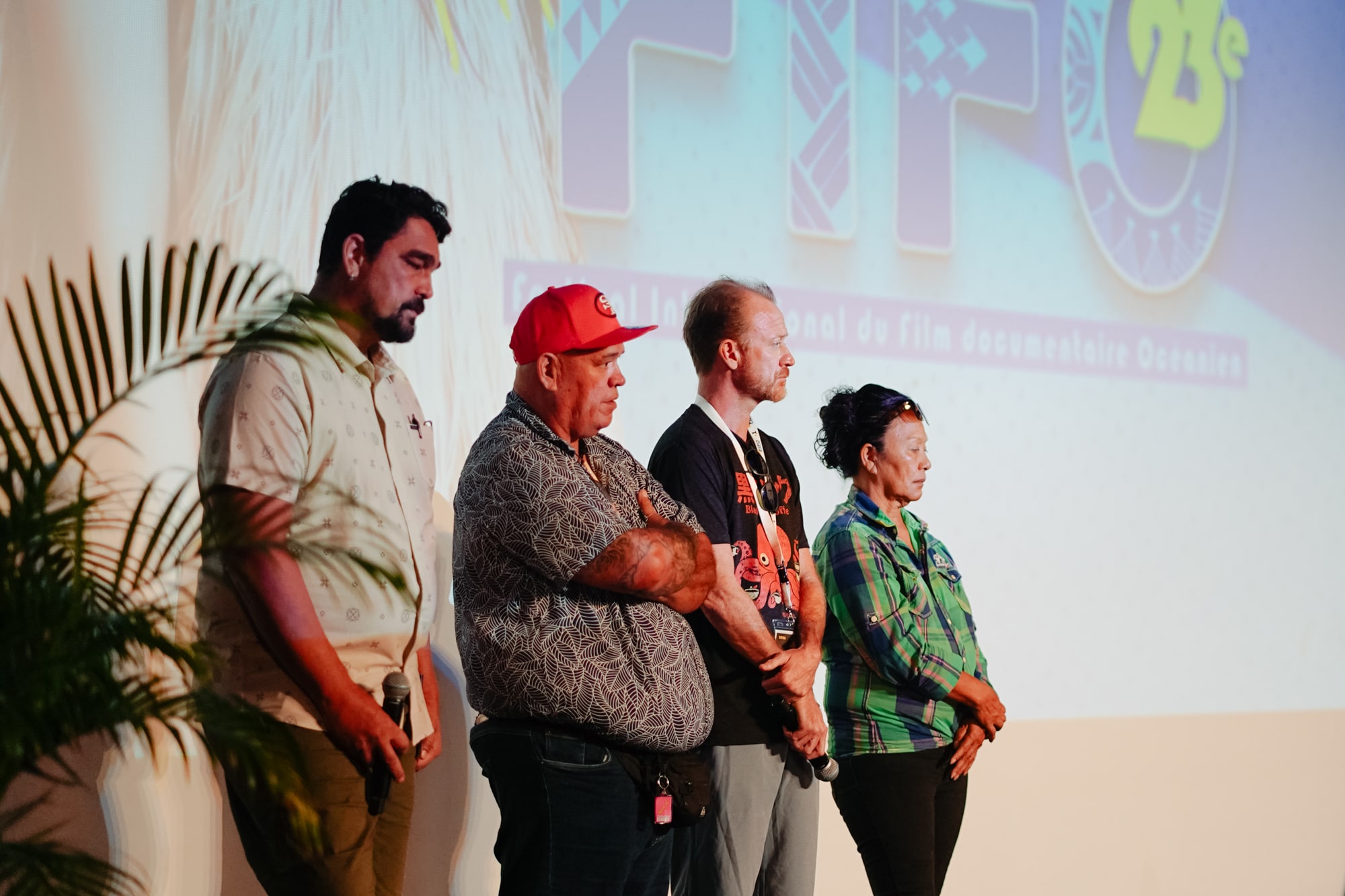
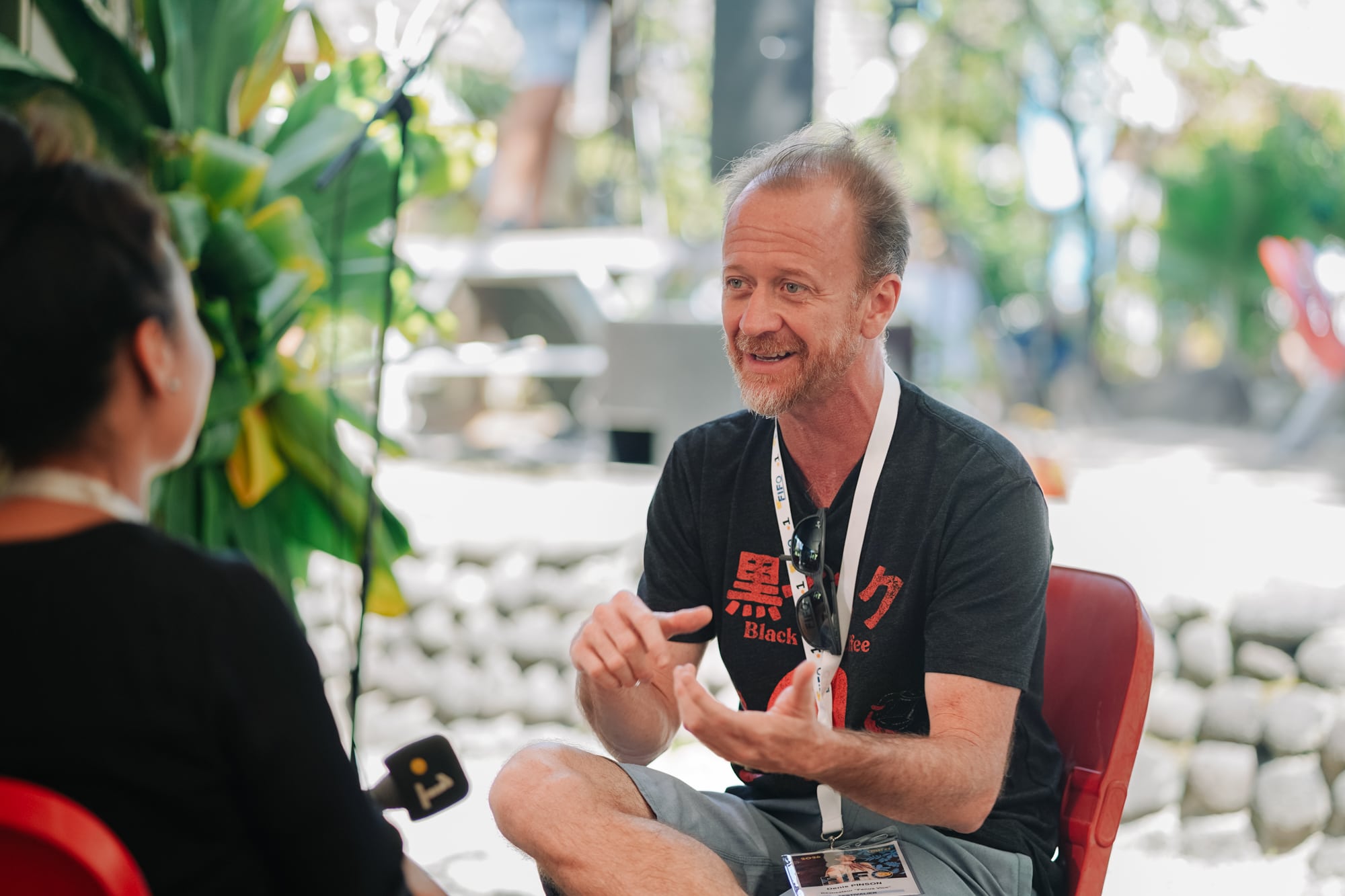
Complementarity is what defines the duo Suliane Favennec and Denis Pinson, directors of Fenua Vice. Suliane, an independent journalist for more than 15 years, brings her sharp perspective on the scourge that is ice. It is a subject as thorny and difficult as it is necessary. Denis contributes with his own unique visual sensitivity.
Both are stubborn, yet profoundly different. Suliane is a “warrior” who will not hesitate, if necessary, to break down two or three doors to achieve her goals. Denis, meanwhile, is more discreet. Both are respectful and attentive to one another. However, while Suliane is focused on moving quickly and efficiently, the founder of Archipel Production prefers to take his time to analyze the world around him.
Suliane is naturally direct and outspoken, whereas Denis is more diplomatic. Yet, the duo works wonderfully because they are both passionate and deeply human-centered. Both describe their new film as, above all, a human adventure. It is also what drives them, along with their love for the fenua where they were born and raised.
From their collaboration on Fenua Vice, they retain unforgettable memories. Suliane recalls: “We have many memories, and it’s what brought Denis and me closer together, even if we sometimes did not share the same vision; the long periods spent with the characters and during the trip to Bora Bora, where we were together 24/7 to film, imagine, and discuss the film. What we experienced there, with the characters and the young people of Bora Bora, will remain a very powerful memory.”
Denis remembers: “There are striking moments I experienced while accompanying Charles (Renvoyé -Editor’s note). Those were difficult moments when you visit families and meet people deeply affected by this scourge. Sometimes I did not even film because it was so overwhelming. You just experience it, you listen, and it’s very hard.”
A film meant to carry hope
Although the issue of drugs lies at the heart of the documentary, it is also intended to carry hope. “We like working on things that have meaning. We like putting our energy into something useful. We are not going to change the world, but if it can spark reflection, that is already something,” explains the 46-year-old father. And while each has their own vision of things, they both emerged from the experience transformed.
“In a way, my collaboration with Suliane pushes me to move forward more boldly. Sometimes I let things happen and tend to be a little too kind. After working with her, I tell myself, ‘maybe I should be a bit more like Suliane,’” says Denis.
The journalist also talks about her relationship with her co-director:
“Denis taught me how to visualize a film visually and think about sequences, the progression of the story, and narration. Today, I think about films differently.”
From this adventure, an unbreakable friendship was born.
Currently, each has resumed the course of their own life. Suliane is in mainland France for a new professional adventure and promises to reconnect with Polynesian audiences in a few months. Denis continues on his path with new projects filling his mind. He is currently working on a documentary about tapa with Hinatea Colomani.
He concludes:
“Making documentaries is a powerful tool for reaching people. It is important for enlightening them and helping to change our perspectives.”
3 Questions for Charles Renvoyé

You fight against ice every day?
“It takes up all my time; that’s all I do. My wife and I communicate more through Messenger than in real life because I’m out in the field every day responding to situations. It’s important for everyone and for our beautiful Polynesia.”
Is it also a duty of redemption considering your past, when you yourself were a user and dealer?
“Absolutely. I promised myself that when I got out of prison, I would fight to save our youth. Young people are drifting away. I know the hell that ice is. Today, I fight this scourge that is exploding across our country. It is terrible to see families destroyed because of it.”
What would you like to say to users today?
“I want to tell them that they have no idea of the damage they will cause around them. We are talking about the suffering of families and the harm they inflict on themselves. This drug will send you down one of three paths: prison, a psychiatric hospital, or death.”.
Over 20 years, I have buried many young people because of this drug. I want to tell them: please, do not go there. Stop. It is the worst mistake you can make. It is dangerous. It is poison. We are here to help you.”
Jenny Hunter – FIFO Tahiti
Naea Jacquet & Vaikehu Shan – FIFO Tahiti
 French
 English