
Tuki Laumea is a Samoan filmmaker who has received numerous awards for his films. This year, he returns to the FIFO with his film in competition «The War Below: Restoring Hope in the Solomon Islands». Always in search of stories to tell, Tuki reveals his motivations: “that films have an impact, whether it’s by creating understanding, sparking conversations, or helping someone feel recognized.”
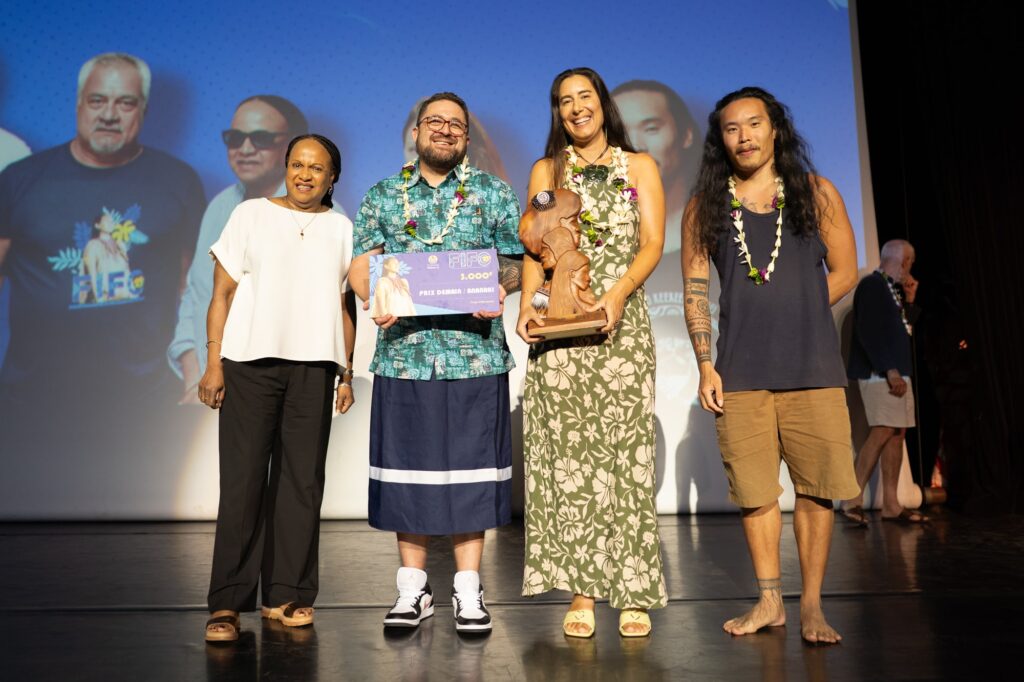
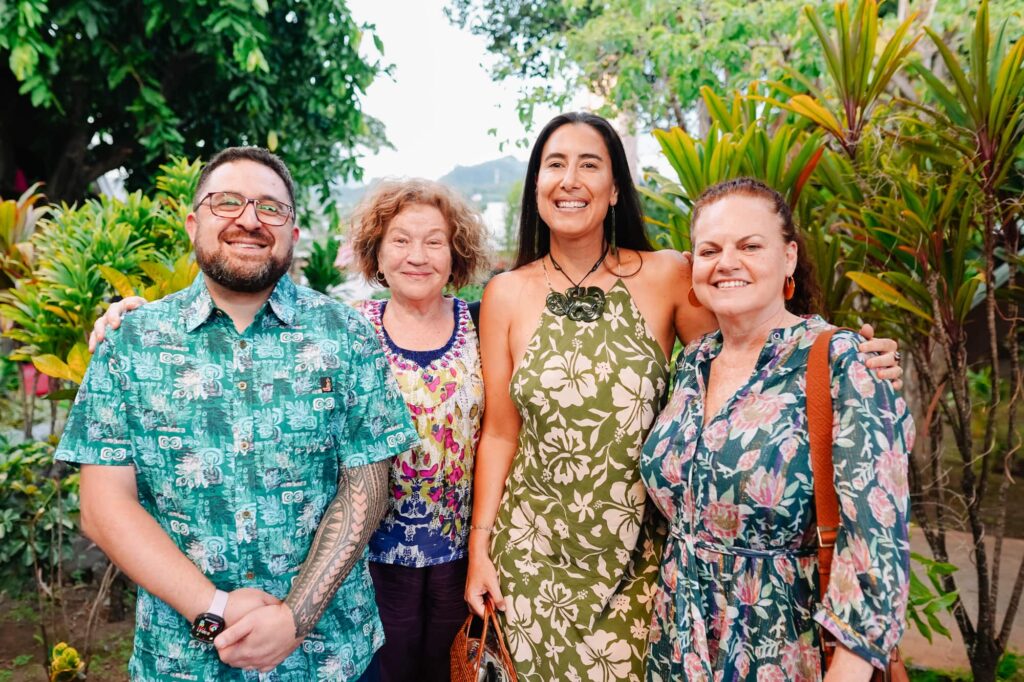
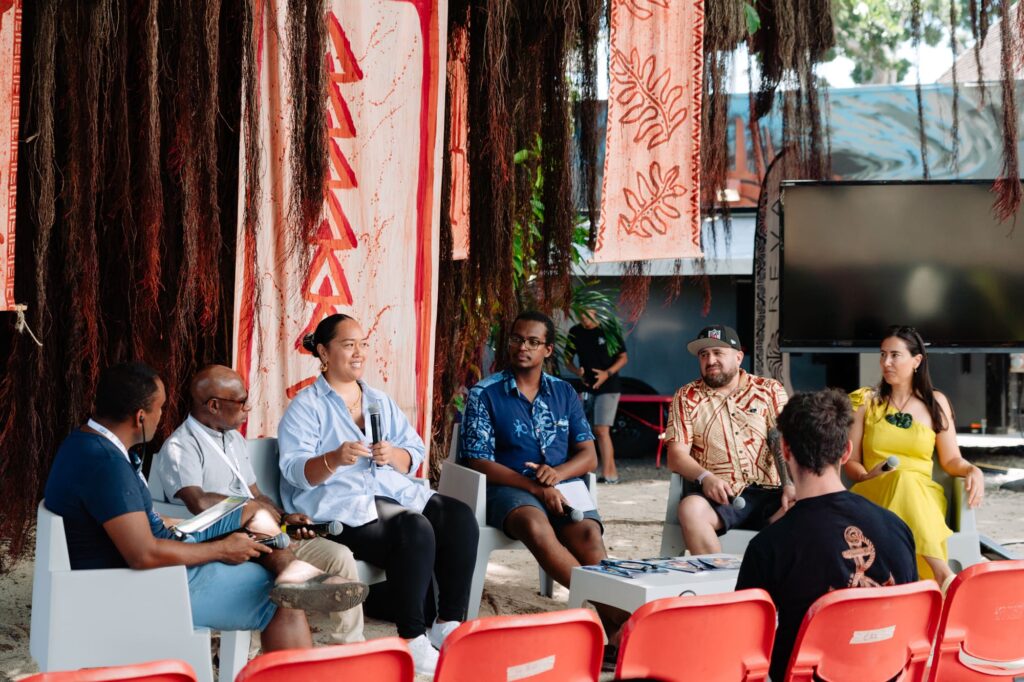
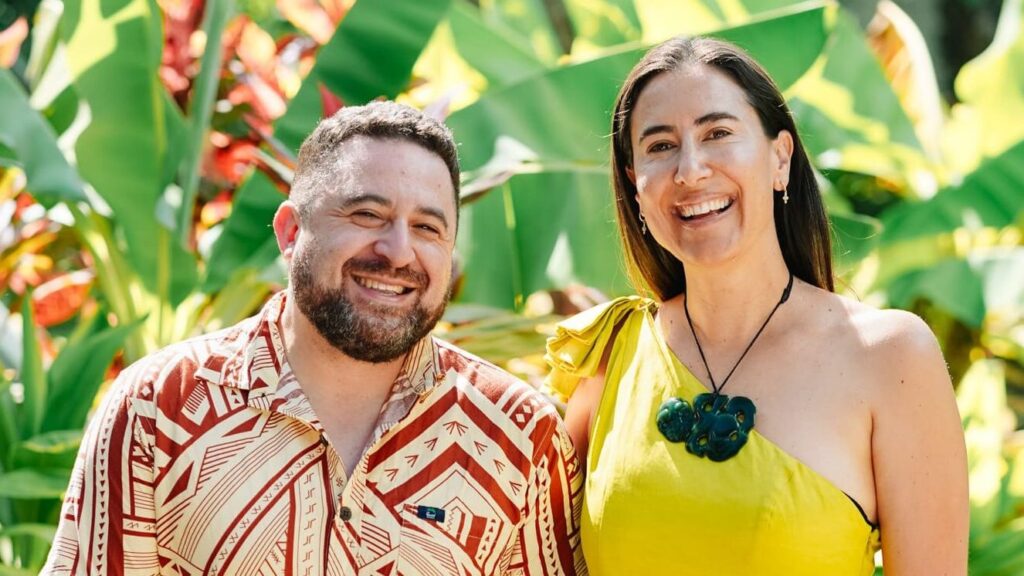
Tuki Laumea is a Samoan filmmaker, based between Aotearoa – New Zealand and Cairns, Australia. For more than twenty years, he has been directing both documentaries and fiction works, with an initial training in journalism. His journey towards cinema began with reporting and storytelling. Curious by nature and about people, he likes to question his world and try to understand it through lived experiences. His journalistic background continues to shape his work today. What takes him to the core are real stories, real communities and as he says: “the stories that come from listening carefully rather than imposing a point of view.”
Engaged, his work focuses primarily on Pacific narratives and perspectives. More than a profession, Tuki reminds us that cinema is both a creative practice and a responsibility: to represent communities with care, accuracy and integrity.
Being rewarded many times is not an end in itself for the Samoan. He explains: « Rewards have never been a motivation in itself. If they have a role, it is rather that of positive encouragement, a signal that the work is just touching, that I may be on the right track. What really motivates me is change. I am driven by the idea that a story can change, even slightly, the way people see the world. I am particularly drawn to stories that otherwise would not be heard, voices and experiences that are outside the mainstream, or too often simplified or ignored.”
Giving visibility is important for the man who dreams that these films can have an impact on people’s lives. As he points out: “An impact, whether it’s creating understanding, sparking conversations, or helping someone feel recognized. Even if this impact is discreet or intimate, it’s enough to move me forward.
Learn to accept discomfort for more understanding
Tuki Laumea grew up with its own view on the world. “I am of Samoan, Croatian and Irish origin, and grew up between Aotearoa, Samoa and parts of Europe. This back-and-forth, between countries, cultures, and ways of seeing the world, has deeply shaped me from an early age. It allowed me to experience the world from different angles and understand that there is rarely a single truth, a single way of being, or a single center.
Having a multiple identity and living in different places has taught me to evolve in all kinds of spaces, comfortable as well as uncomfortable. It’s something that I integrate directly into my work. I know how to listen, observe and navigate through complexity without trying to simplify it.
My heritage has never made me doubt myself. On the contrary, it is a source of strength. I am aware that few people share exactly the combination of experiences I have had, and this places me in a unique position, not above or outside others, but by their side, with a different point of view.”
His humility and open-mindedness help him to grow and learn every day. If he didn’t dream one day of becoming a filmmaker, he have finally chosen this profession because he deeply believes in the power of storytelling. “In the right hands, a story can shift looks, create empathy, and sometimes even change lives. Cinema allows to touch people emotionally, not only intellectually, it is an extremely powerful space,” the Samoan argues.
What drives the screenwriter is a real urgency, he calmly explains: « The peoples of the Pacific have a capacity to act, and it is essential that we continue to take back our stories and narratives. For too long, our experiences have been shaped or interpreted by others. Telling our own stories, with our voices and values, is not only about representation, but about self-determination. It is about showing all the complexity of who we are, beyond stereotypes or superficial readings. This emergency comes from the care given to our communities. The desire that they, and in particular future generations, may see themselves reflected with honesty, dignity and strength.”
Today Tuki can’t imagine doing anything other than writing and being a screenwriter. His life in motion consists of telling stories, listening, creating and understanding the world, entering into a relationship with others.
His leitmotif: to stay attentive to what is happening around him. As a philosopher, Tuki in all sincerity delivers: “I learned to accept discomfort. Many of the most interesting and important things happen in that space. Discomfort is not something to be avoided; it is often a sign of learning, change, or getting closer to something real.”
Vaikehu Shan – FIFO Tahiti
Jenny Hunter – FIFO Tahiti
 French