
FIFO 2026 – A roundtable on regional cooperation, support, and the development of the audiovisual sector in the Pacific was held at FIFO, along with the announcement of a Pacific fund, “Pacific Echoes.” The creation of the Tahiti Film Commission, bringing together local professionals, was also announced.
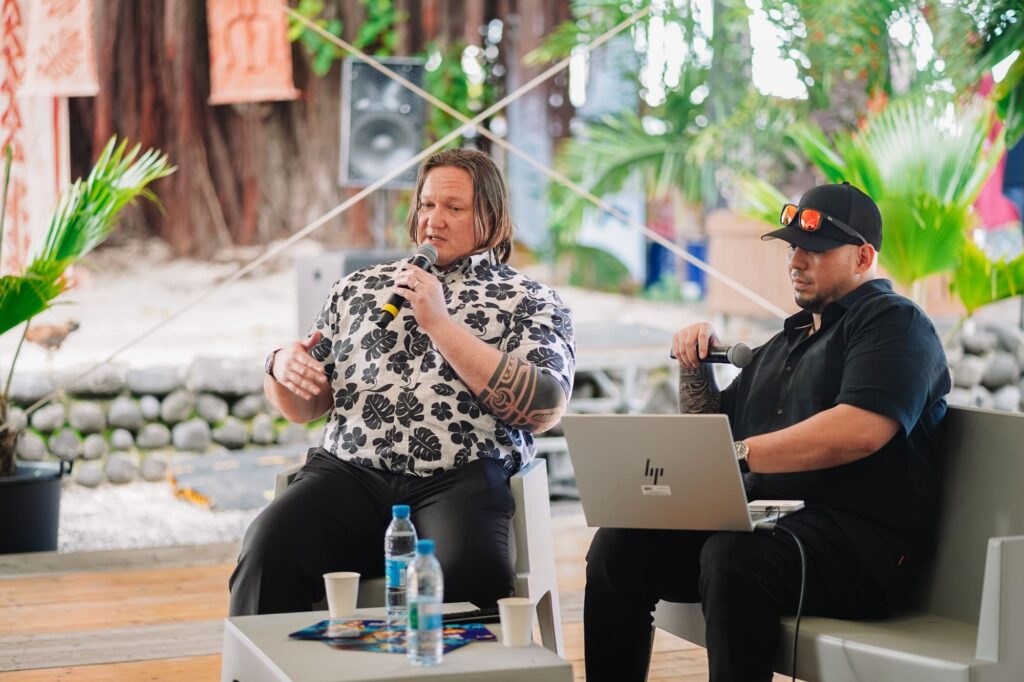
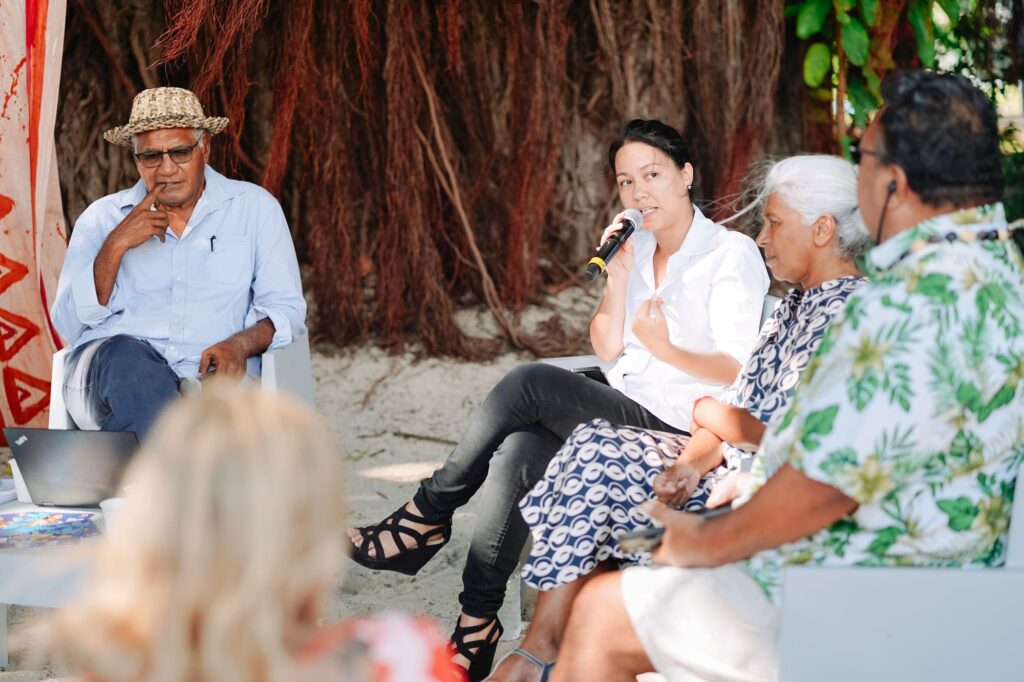
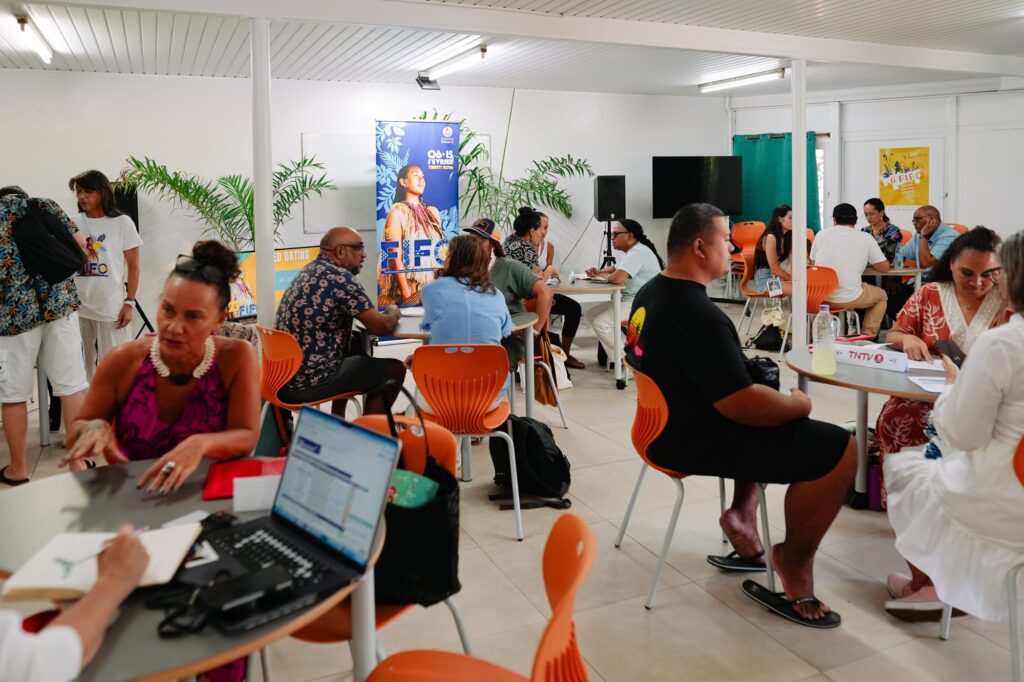
FIFO is rich in workshops, professional programs, roundtables, and meetings between industry professionals. Throughout last week, directors, programmers, broadcasters, and representatives of the Pacific Community (SPC) held a series of discussions where the public learned about upcoming developments in the audiovisual sector.
First, the creation of the Tahiti Film Commission. After years of attempts to establish a kind of “film office” in French Polynesia, representatives of the DGEN (General Directorate of the Digital Economy) announced its creation in early February. The Tahiti Film Commission is dedicated to hosting film productions in the fenua and aims to become a one-stop shop.
It supports local and international audiovisual and film productions in their administrative and logistical processes. It facilitates coordination with public services and industry professionals. It also assists project leaders with Polynesian funding schemes dedicated to the audiovisual and film sector. Intended to contribute to the international visibility of the Polynesian audiovisual industry, the TFC is still in its early stages, and the DGEN did not make any major announcements beyond its creation.
The second key event was a roundtable on regional cooperation, support, and the development of the audiovisual sector in the Pacific.
“In an increasingly turbulent world, Pacific countries now feel the need to integrate audiovisual media into their cultural strategies and are mobilizing to support the development of the sector. The 27 states and territories of the SPC (Pacific Community), recently gathered in Tonga, adopted a project to support audiovisual production in Oceania, backed by France: the Pacific Echoes support fund,” explains Emile Kairua, President of the Council of Pacific Arts and Culture (CPAC) and Secretary of the Ministry of Cultural Development, Cook Islands.
Pacific Echoes is a fund that the SPC has been working on for several years.
“Pacific Echoes: stories by our people for our people. These are stories by Pacific people for Pacific people,” adds Clotilde Richalet, advisor for information and engagement at the SPC.
This fund is financed by Australia and France. Australia has already committed 1.5 million Australian dollars (106,659,603 CFP francs) over three years, making it the main contributor. France has committed to providing €350,000 (approximately 41,766,109 CFP francs) per year over three years. Currently, only the funds for 2026 have been disbursed.
“These funds will mainly serve two purposes. The first is the preservation of cultural heritage. There is extensive work to be done in digitizing and archiving SPC records. The Pacific Community will celebrate its 80th anniversary next year, so there are a vast number of archives—films, photographs, and audio recordings—from annual conferences on traditional arts, as well as all the archives from FestPac. The second part will focus on supporting audiovisual creation and storytelling. All of this is so that we can have stories to tell by Oceanians for Oceanians,” emphasizes Clotilde Richalet.
Regarding the timeline and implementation, an initial working group will meet in April, with participation from various Ministers of Culture.
“We also need to develop training programs for those who want to work in audiovisual production but do not have the necessary structures in their countries, similar to what you offer at FIFO. We draw a lot of inspiration from what is done at FIFO,” explains Clotilde Richalet.
“Telling our own stories in our own words”
Emile Kairua is deeply committed to this project and stresses its importance:
“It is important for us, as Pacific peoples, to tell our own stories in our own words, to express our Oceanian identity without being influenced by those who fund us. This is essential to preserve our authenticity and the way our identities and cultures are represented. We are the only ones who can say what is true and what is not.”
He concludes:
“The key is the honesty we must all have in how we tell stories. Even when engaging with potential funders, culture and the values we carry within us must always come before financial interests. Development without culture cannot be sustainable. That is what we must keep in mind—to remain honest. Culture must always come first, even if it means missing out on certain opportunities.”
Credits: Jenny Hunter – FIFO Tahiti
Photography: Studio Marama – FIFO Tahiti
 French